Robinson | Smart Surfaces Coalition
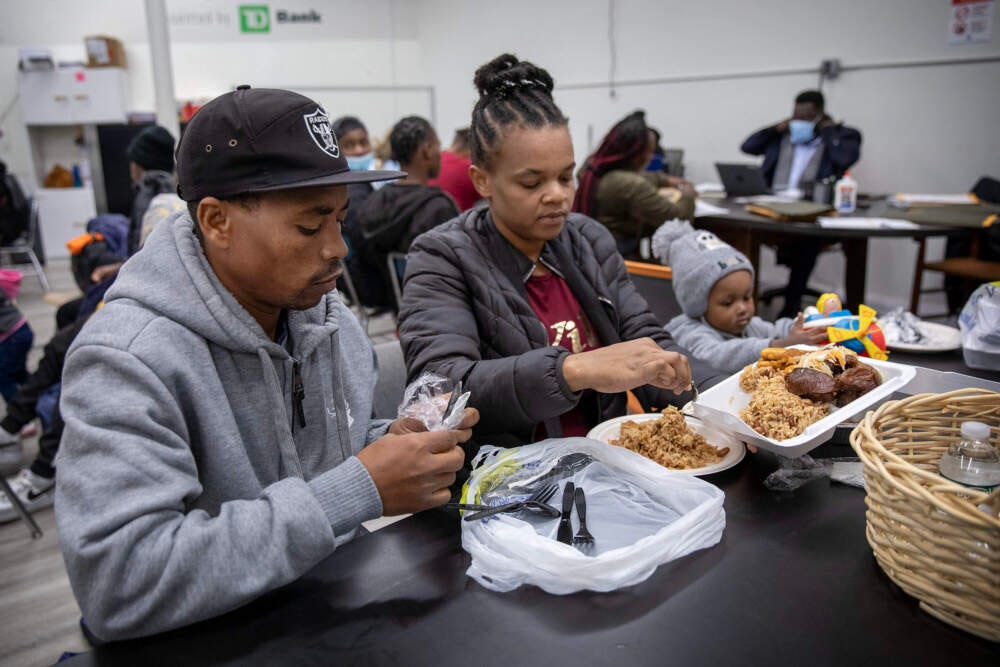
As the recent war in Iran rages on, and the inconvenience of rising gas prices dominates national headlines, public discourse has largely ignored a devastating secondary casualty: food insecurity. Rising fuel prices resulting from a clogged Strait of Hormuz—which controls 20 percent of the world’s oil supply—raised the cost of everything critical to the food supply. From the fertilizer in the agricultural supply chain to the fuel required to transport goods to grocery stores, global market volatility exposed an unavoidable truth: everything global becomes intensely local.
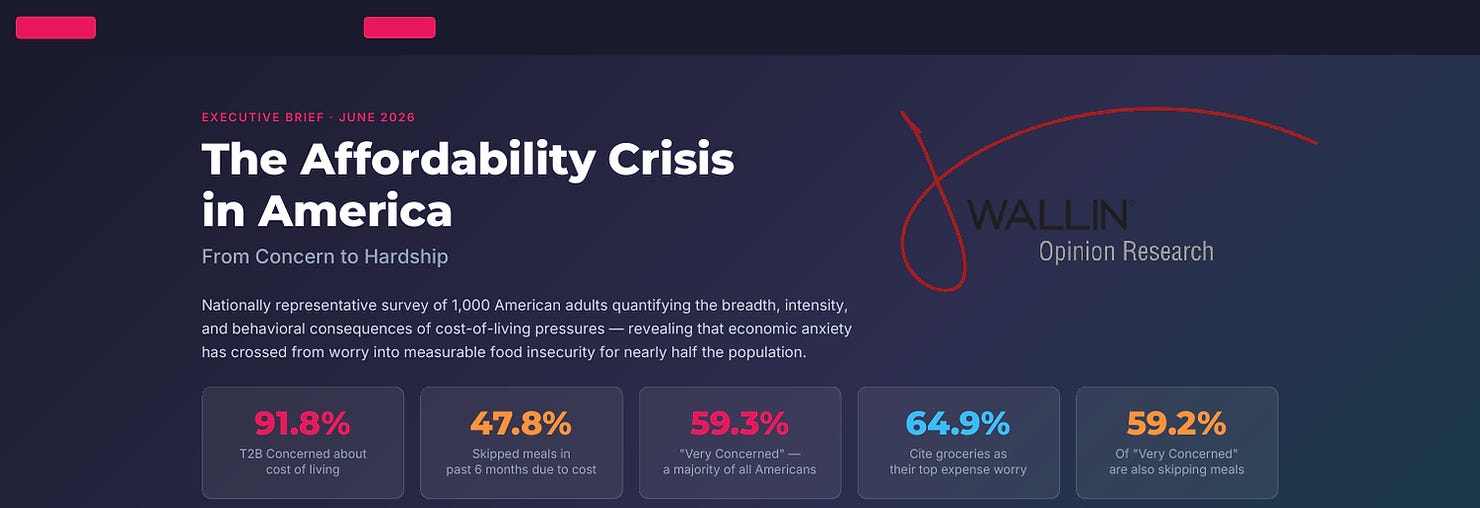
These international disruptions strain an already over-stressed system. Nearly 50 million people nationwide were experiencing food insecurity on the eve of the war. A recent J. Wallin Research national poll revealed that 48 percent of Americans admitted to skipping meals in the past six months due to a lack of income and access to food. From 2021 to 2024, food insecurity grew by 41 percent and now consumes 15 percent of the United States population.
Unsurprisingly, the heaviest burden falls on lower income and Black communities who face the highest food insecurity rates of any demographic group, with 24 percent of Black households lacking access to quality food. These rates are slightly higher than Hispanic households (20%) and double the rate of white households. The persistent reality of food apartheid in Black neighborhoods exacerbates the crisis, and even when access does exist, it is often dominated by fast-food restaurants and convenience stores, which offer highly processed, unhealthy options.
Given these realities, it can be difficult to avoid the endless loop of problem diagnosis. But we can no longer afford to simply identify systemic inequity; we must actively work to dismantle it. We must move fast beyond the rhetoric of identifying food deserts and deploying a scalable, redemptive response.
That response is being actively pioneered through the Cities for Smart Surfaces Environmental Resilience Initiative, with Metropolitan AME Church serving as the lead implementation partner. Working alongside a coalition of forty major national public health, environmental, research, and climate organizations, Metropolitan AME Church is funding and building a network of self-sufficient urban community gardens.
The perfect catalyst for this redemptive work is Black churches. By leveraging trusted neighborhood institutions, we are transforming historically neglected spaces into vibrant community resources. For example, through our initiative’s subgrants, Words of Faith AME Church in Mableton, Georgia expanded Faithful Field Garden to combat food insecurity, producing and distributing over 10,000 pounds of fresh, organically grown produce to individuals and families. In Dallas, Texas, Ebenezer AME Church planted a community garden to teach students horticulture and provide families with fresh produce, including a “backpack buddies” program that ensures students have food to take home in the evening. Similarly, Allen Temple AME Church in Atlanta, Georgia launched Adam’s Garden, harvesting collard greens and carrots for farm-to-table tastings and distribution through a food pantry servicing 65 to 80 families weekly.
This is a blueprint for a new golden era of Black agriculture—a rapidly-spreading “micro-farming” model that builds the necessary infrastructure for Black communities to achieve food sovereignty. When anchor institutions—churches, families, small businesses, and even HBCUs—take this concept seriously, communities are transformed: households never go hungry when fed by healthy, farm-to-table offerings; public safety improves when resource scarcity is replaced by an abundant food supply; public health indicators become more favorable as chronic diseases drop; and academic performance rises as young people are able to focus on schoolwork rather than their empty stomachs.
A localized micro-farm infrastructure presents a rejuvenated economic narrative, creating strong Black-owned businesses designed to generate jobs and revenue for local economies. Planting community gardens and urban green spaces requires specialization and human capital. It provides pathways for engagement, and professional work in a paid, full-time capacity, translating into direct workforce development for communities hammered by persistent economic distress, neighborhood turmoil and under-employment.
This holistic initiative proves that community gardens are far more than aesthetic neighborhood niceties; they are critical, community-owned infrastructure. Community gardens are critical climate infrastructure dismantling food insecurity while simultaneously serving as functional rain gardens, absorbing tens-of-thousands of gallons of stormwater during major flooding events. They also expand protective urban tree canopy, keeping urban heat islands cooler when deadly heat waves hit. They improve respiratory conditions, and other health outcomes. They produce viable pathways to job creation, economic empowerment and household financial security. We need all of the above, too, considering our communities are the most exposed to climate crisis impacts.
The notion of “gardens” might be viewed as small, but when scaled for maximum, broad community impact, they deliver a big punch. If we commit to this redemptive infrastructure, we will no longer say our people are going hungry. We will declare that our people own, control, and produce the sustenance they need to thrive.
REV. DR. JON ROBINSON is Senior Program Director at Metropolitan A.M.E. Church based in Washington, D.C. and Senior Program Director for the Smart Surfaces Coalition